
Can Interior House Painting Contractors Fix More Than Just Faded Walls?
Summary: This content explains how interior house painting contractors can address more than faded walls by repairing cracks, holes, peeling paint, wallpaper, and rough surfaces before painting. It highlights the value of proper preparation, clean workmanship, and professional experience. The article also presents Hoffman Interior Painting as a reliable option for homeowners seeking a smoother, cleaner, and longer-lasting interior finish.
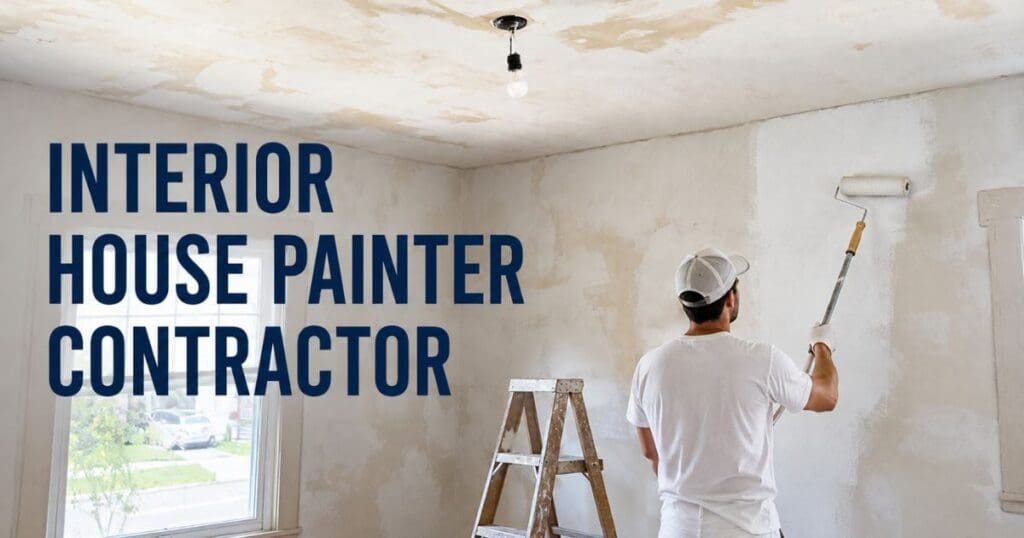
Faded walls can make a home feel tired, but worn paint is often only part of the problem. Cracks, small holes, peeling areas, old wallpaper, and rough surfaces can also affect the final look. The right interior house painting contractors can handle more than adding a new color. Proper preparation and wall repair can help create a cleaner, smoother, more lasting finish.
The Problem May Be More Than Old Paint
A fresh coat of paint cannot hide every wall problem. In fact, painting over damage can make the surface look uneven.
Before painting, a careful inspection can help find areas that need attention. Small repairs may make a big difference in the final result.
Common problems include:
- Small holes from nails or wall fixtures
- Cracks around doors and windows
- Peeling or loose paint
- Scratches and dents
- Uneven wall surfaces
- Old wallpaper or glue marks
- Water stains or signs of past damage
Fixing these issues first gives the new paint a clean surface to sit on.
Why Does Wall Preparation Matter So Much?
Good painting starts before the paint can come out. A wall needs to be clean, smooth, and ready for the new coating. Skipping this step may lead to visible marks, uneven color, or paint that does not hold well.
Professional preparation may include filling holes, smoothing rough spots, sanding repaired areas, and protecting floors and furniture. This careful work helps the finished room look neat instead of rushed.
Small Wall Repairs Can Change the Whole Room
A small dent may not seem important at first. Once a bright new color goes on the wall, however, that dent can become much easier to see.
Repairing these small issues before painting helps create a more even surface. It also gives the room a cleaner appearance without changing the whole space. This approach works well for bedrooms, living rooms, hallways, dining rooms, and other areas where walls show daily wear.
Can Old Wallpaper Be Part of the Problem?
Yes. Old wallpaper can make a room feel dated, even when the wall underneath is still in good shape. Removing wallpaper takes care. Pulling it off too quickly can damage the wall. Glue can also remain behind and create a rough surface.
Professional wallpaper removal can help prepare the wall for a new finish. Hoffman Interior Painting lists wallpaper removal as one of its services and notes the need to remove old wall coverings without damaging the wall. After removal, the wall may need cleaning, patching, smoothing, and priming before painting.
What Other Surfaces Can Be Refreshed?
Interior painting does not have to stop at four walls. A complete project may also include other surfaces that affect the room’s look. With the right preparation, these areas can feel fresh and fit better with the new wall color.
Some possible areas include:
- Interior doors
- Trim and molding
- Woodwork
- Cabinets
- Sheetrock
- Plaster surfaces
Hoffman Interior Painting specifically works with plaster, sheetrock, woodwork, and cabinetry as part of its interior painting services.
A Fresh Color Can Also Improve the Feel of a Room
Color can change how a room feels without changing its size or layout. A soft color may make a space feel calm. A lighter shade can help a darker room feel brighter. A deeper color can add warmth or create a strong focal point.
Still, color works best when the surface underneath is ready. A beautiful shade cannot fully solve a damaged or poorly prepared wall. That is why repair and preparation should be part of the plan, rather than an afterthought.
How Do Professional Painters Keep the Work Clean?
Painting can be messy when floors, furniture, trim, and nearby areas are not protected. A careful work process helps keep the project under control. Floors and furnishings can be covered before work begins. Edges can be protected, and the work area can be cleaned after painting.
Hoffman Interior Painting states that its goal is to make the painting experience clean, simple, and focused on customer needs. The company also lists safe work practices and a 20-point quality control checklist among its standards.
Why Does Experience Matter for Interior Painting?
Painting may look simple, but good results depend on small details. A skilled painter knows how to spot surface problems, choose the right preparation steps, and apply paint in a steady way. Experience also helps with tricky areas such as corners, trim, cabinets, patched walls, and older surfaces.
For homeowners, this can make the process easier. Instead of worrying about every small repair, the project can follow a clear plan from preparation to final touch-up.
A Better Painting Plan Starts With the Surface
The smartest approach is to look at the whole room before choosing the paint. Start by checking the walls and other surfaces. Look for damage, old coverings, stains, and areas that need repair. Then decide what preparation is needed.
A simple process may look like this:
- Inspect the room and surfaces.
- Identify repairs and problem areas.
- Remove old wallpaper when needed.
- Patch holes and cracks.
- Smooth and prepare the surfaces.
- Protect furniture and flooring.
- Apply the selected paint.
- Check the finish and complete touch-ups.
This step-by-step method helps reduce surprises and supports a cleaner final result.
Where Can Homeowners Get Help With More Than Paint?
A painting project can be easier when repair, preparation, and painting are handled as one connected service.
Hoffman Interior Painting has built its interior service around preparation, repair, painting, and careful finishing. The company also highlights insured service, New Jersey registration, recognized painting and preparation standards, and a two-year warranty. For a homeowner, this means the goal is not simply to put color on a wall. The goal is to prepare the surface properly and leave the room looking finished.
A Fresh Room Starts With More Than a Fresh Coat
If faded walls are also hiding cracks, dents, old wallpaper, or rough surfaces, simply adding paint may not give the result you want. A better approach is to repair and prepare the room first, then apply the new finish with care.
If your walls are showing years of wear, interior house painting contractor can help turn the problem into a cleaner, more comfortable space. For homeowners who want careful preparation and a professional finish, contact Hoffman Interior Painting to discuss the next step and get your project started.
Frequently Asked Questions
Q1: Can interior painters repair wall cracks before painting?
Yes, small cracks and surface damage can often be repaired and smoothed before painting.
Q2: Should walls be cleaned before interior painting?
Yes, a clean surface helps paint bond properly and supports a smoother finish.
Q3: Can painters remove old wallpaper?
Yes, wallpaper removal can be included when preparing walls for a new paint finish.
Q4: Can interior painting include cabinets and woodwork?
Yes, interior painting projects can include prepared woodwork and cabinetry when the service covers those surfaces.
Q5: How long does an interior painting project take?
The time depends on the room size, surface condition, repairs, preparation, and amount of painting required.