
What Are Residential Interior Painting Services and What Do They Include?
Summary: Residential interior painting services can refresh a home by updating walls, ceilings, trim, doors, and other interior surfaces. Professional painting involves more than applying color; proper preparation, surface repairs, paint selection, careful application, and cleanup all affect the final result. Choosing affordable interior painting services can help homeowners improve their space while maintaining quality and lasting results.
Faded walls, old colors, stains, and small cracks can make a home feel tired even when the rest of the space looks good. Residential interior painting services can solve these problems by refreshing walls, ceilings, trim, doors, and other interior surfaces. From surface preparation to the final coat, proper painting services help create a cleaner, brighter, more comfortable home.
Why Does Interior Paint Matter More Than You Think?
Interior paint does more than add color. It can change a room’s mood, make a space feel larger, and give old surfaces a fresh look. The right paint can also make walls easier to clean and help cover small marks from daily life.
Still, painting a home is not as simple as opening a paint can and using a roller. Poor preparation can lead to peeling paint, uneven coverage, visible marks, and messy edges. A good process makes a real difference.
What Does a Full Interior Painting Service Include?
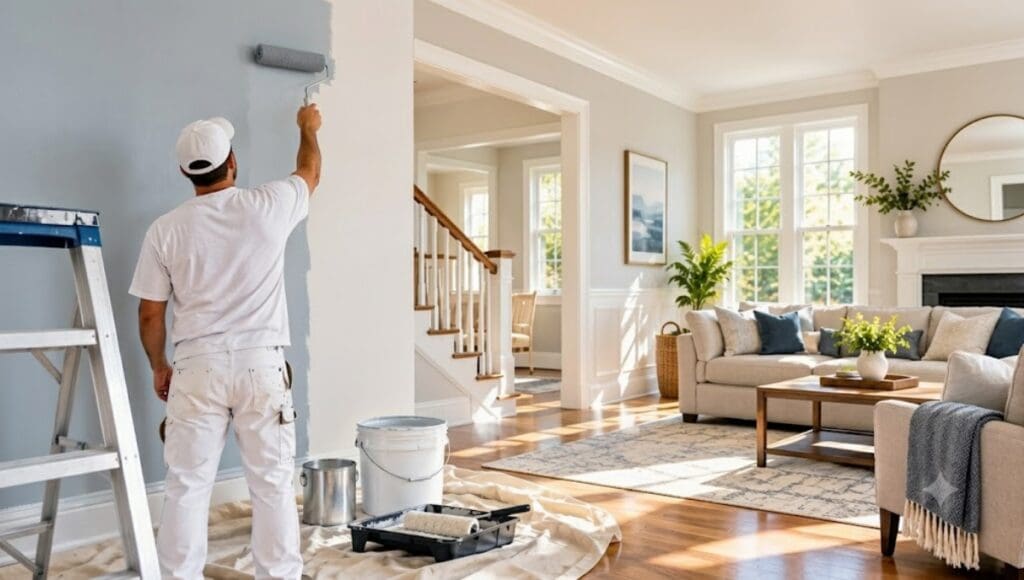
A complete painting service usually covers the work needed before, during, and after painting. This helps homeowners avoid handling several separate tasks on their own.
A professional service may include:
- Moving or protecting furniture and nearby items
- Covering floors and other surfaces
- Cleaning walls before painting
- Filling small holes, cracks, and dents
- Sanding rough or uneven areas
- Applying primer where needed
- Painting walls, ceilings, trim, and doors
- Touching up missed spots
- Cleaning the work area after completion
The exact work depends on the condition of the home and the surfaces being painted. A clear plan helps prevent confusion and keeps the project organized.
Which Areas of the Home Can Be Painted?
Interior painting can cover far more than just the main walls. Homeowners often update several surfaces at the same time to create a clean and balanced look. Bedrooms may need softer colors that create a calm feel. Living rooms can use warm or neutral shades for a welcoming space. Kitchens and hallways may benefit from durable finishes that handle regular cleaning.
Ceilings, baseboards, doors, window trim, stair areas, and accent walls can also be part of the project. Painting these areas carefully helps the entire room feel complete rather than half-finished.
Why Is Surface Preparation So Important?
One of the biggest mistakes is rushing straight to the paint. A smooth finish starts with a clean and ready surface. Dust, grease, old peeling paint, nail holes, and small cracks can affect how the new paint looks. Proper preparation may include cleaning, patching, light sanding, and priming based on the surface.
This step may take extra time, but it helps the paint stick properly and look more even. It also gives the final finish a better chance of lasting.
How Do Painters Choose the Right Paint and Finish?
Not every room needs the same type of paint or finish. The best choice depends on the room, the surface, the desired look, and how the space is used.
For example, a bedroom may work well with a low-sheen finish, while a busy hallway may need a surface that is easier to wipe clean. Kitchens, bathrooms, doors, and trim can also need different products or finishes. Color matters too. Light shades can make a room feel open and airy, while deeper shades can create a warmer and more focused look.
What Can Homeowners Expect During the Painting Process?
A clear process makes a painting project feel much easier to manage. Good planning also helps reduce mess and keeps the work moving from one step to the next.
The process often follows this order:
- Review the rooms and surfaces that need painting
- Prepare and protect the space
- Repair small surface problems
- Prime selected areas when needed
- Apply paint in planned coats
- Check edges, corners, and coverage
- Complete touch-ups
- Clean the work area and review the finished job
The sequence can change based on the home, wall condition, paint type, and project size. Communication throughout the work helps homeowners know what to expect.
Can Interior Painting Help Refresh an Older Home?
Absolutely. Fresh paint can make an older home feel cleaner without changing the layout. It can cover worn colors, dull walls, and small surface flaws that build up over time.
Painting is also useful after moving into a new home, preparing a house for guests, or updating a room after a renovation. Sometimes a fresh coat is all a space needs to feel different. The key is to match the paint, finish, and preparation to the condition of the room.
What Should You Look for in a Painting Service?
Choosing the right painting team can make the whole experience easier. Homeowners should look beyond the color options and ask about the actual process.
Look for:
- Clear communication from start to finish
- Proper surface preparation
- Careful protection of floors and furniture
- Attention to edges, trim, and small details
- Good quality paint and suitable products
- Clean work practices
- A final inspection before the project is complete
A reliable painting service should also explain what the project includes before work begins. Clear expectations help prevent surprises later.
How Can the Right Painting Team Make the Job Easier?
A home painting project can become stressful when preparation is rushed or communication is poor. That is why it helps to work with a team that pays attention to the details and respects the home. For homeowners looking for affordable interior painting services, the goal should not be to choose the cheapest option alone. Good service should provide careful preparation, neat application, useful guidance, and a finish that makes the room feel complete.
Hoffman Interior Painting can help homeowners approach interior painting with a clear plan, careful preparation, and attention to the details that shape the final result.
A Fresh Interior Starts With the Right Plan
Good residential interior painting services bring more than a new color to a room. They combine preparation, surface repair, product selection, careful painting, touch-ups, and cleanup to create a finished space that feels fresh and comfortable.
The best results start with understanding what your home needs before the first brush touches the wall. With the right planning and a careful painting team, even tired rooms can feel cleaner, brighter, and more inviting. A fresh coat of paint can be a simple step toward making your home feel like home again.
Frequently Asked Questions
Q1: What is included in residential interior painting?
It may include surface preparation, repairs, priming, painting, touch-ups, and cleanup.
Q2: Do painters prepare walls before applying paint?
Yes, proper preparation may include cleaning, patching, sanding, and priming when needed.
Q3: Can ceilings and trim be included in an interior painting project?
Yes, ceilings, trim, doors, baseboards, and accent areas can often be included.
Q4: How do I choose the right paint finish for a room?
Choose the finish based on the room’s use, cleaning needs, surface condition, and the look you want.
Q5: How long does an interior painting project take?
The timeline depends on the number of rooms, surface condition, preparation work, and number of paint coats.